Cat Hair in the Laundry: Why Washing Spreads It and What to Do Instead
Quick Answer: Washing does not remove cat hair — it releases it into the water and redistributes it across every item in the load, then bakes it into the fabric with dryer heat. The sequence that works: tumble dry with no heat for 10 minutes first, clean the lint trap, then wash with a half cup of white vinegar in the rinse to relax fibers and release hair, then dry with wool balls. Add a pet-hair catcher to the drum, and never wash heavily furred items with anything textured.
One black sweater goes in. Six items come out wearing it.
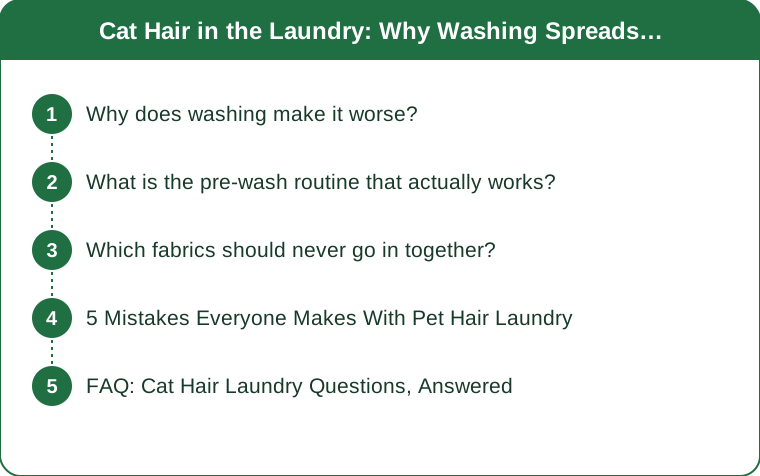
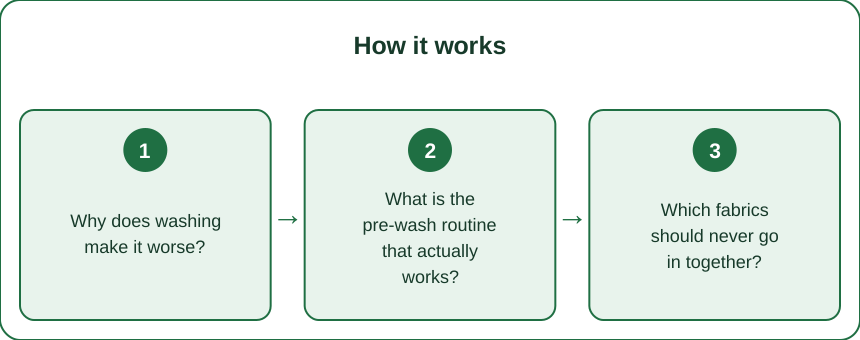
Why does washing make it worse?
Because a washing machine is a device for moving small particles evenly through a load of fabric.
Hair that was sitting loosely on the surface of one garment gets lifted into the water, circulates freely, and settles onto every other item. The agitation that cleans your clothes is the same agitation that distributes fur.
Wet fabric grips more than dry fabric. Fibers swell slightly when wet and the surface becomes more receptive, so hair that would have brushed off a dry shirt embeds into a wet one.
Then the dryer finishes the job. Heat plus tumbling works the hair deeper into the weave, and on synthetics the heat can soften fibers just enough that hair effectively sets in place. Fur that survives a hot dry cycle is genuinely difficult to remove afterward.
The machine’s filter is not designed for this. Lint filters catch fiber shed from fabric, not hair introduced from outside, and much of the fur simply recirculates or lodges in the drum seal to reappear in your next load.
So the entire strategy has to be: get the hair out before water touches it.
What is the pre-wash routine that actually works?
Step one: dry tumble, no heat, 10 minutes. This is the highest-value step and the one most people skip. Tumbling loosens hair mechanically and the airflow pulls it into the lint trap while everything is still dry. Add a wool dryer ball or a dryer sheet to cut static, since static is what makes hair cling during tumbling.
Step two: clean the lint trap immediately. It will be full. If you leave it, the next cycle has nowhere to send the hair.
Step three: shake garments out before loading, outdoors if possible.
Step four: wash with white vinegar in the rinse compartment, about half a cup. Vinegar relaxes fibers and reduces static, which helps hair release into the water rather than cling. It rinses out completely and leaves no smell once dry.
Step five: do not overload. Hair needs water volume and room to move away from fabric. A packed drum guarantees redistribution.
Step six: run a rinse-only cycle on the empty machine after a heavy pet load, to clear hair from the drum and seal before your next wash.
Optional but effective: reusable pet-hair catchers — small textured discs that go in the drum and collect circulating hair. They cost very little and genuinely reduce what settles back onto fabric.
Which fabrics should never go in together?
Sort by hair-attracting potential, not just by color.
Wash separately, or at least apart from everything smooth: fleece, flannel, terry towels, corduroy, chenille, loose sweaters, and microfiber cloths. These both shed hair into the load and collect it from everything else.
Safe together: smooth performance fabrics, dense knits, nylon shells, and cotton poplin. These release hair readily and pick up relatively little.
Never wash towels with pet-heavy clothing. Terry loops are a hair trap and will hand fur back to you for many loads afterward.
Keep the cat’s bedding entirely separate. It carries a hair load an order of magnitude larger than clothing, and it belongs on its own cycle with an extra rinse.
One more sorting principle: wash the highest-value items first, before the pet-heavy load, not after. The drum and seal hold residual hair from the previous cycle, so order matters more than people expect.
And on kitten-specific fabric wear: the same textured fabrics that trap hair are the ones that snag on claws. A smooth, tightly knit face resists both problems at once, which is a rare case of two goals pointing the same direction.
5 Mistakes Everyone Makes With Pet Hair Laundry
1. Washing first, drying second. Reversing the order — a no-heat tumble before the wash — is the single change that removes the most hair.
2. Using fabric softener for static. It coats performance fabrics and destroys wicking. Vinegar in the rinse does the same job with none of the residue.
3. Overloading the drum. Less water movement means more redistribution. A half-full load washes furry items far better than a packed one.
4. Ignoring the door seal. The rubber gasket on a front-loader collects a startling amount of hair and hands it back every cycle. Wipe it with a damp cloth weekly.
5. Using hot water hoping it dissolves hair. It does not — hair is keratin and heat only helps it bond to synthetic fibers. Cold or warm water releases more hair than hot.
FAQ: Cat Hair Laundry Questions, Answered
Do dryer sheets actually help?
Yes, specifically for static reduction during the pre-wash tumble, which is when hair release matters most. Wool dryer balls are the reusable alternative and work about as well without coating fabric.
Is there a detergent that removes pet hair?
No detergent removes hair — detergents work on soils and oils, not on keratin fibers sitting in a weave. Products marketed this way generally just include an anti-static agent.
What about washing machine hair filters?
Add-on drum catchers help. Inline filters on the drain hose protect your plumbing, which is a real concern with heavy pet loads, but they do nothing for hair already on your clothes.
How do I get hair out of a knit sweater without damaging it?
A damp rubber glove, swept in one direction, or a pumice-style fabric stone used lightly. Avoid tape rollers on loose knits — they lift the surface yarn and leave the hair behind.
TL;DR:
- Washing redistributes hair rather than removing it, and dryer heat sets it into fabric.
- Tumble dry with no heat for 10 minutes first, then clean the lint trap — the highest-value step.
- Add half a cup of white vinegar to the rinse instead of fabric softener.
- Never wash pet-heavy items with towels, fleece, or loose knits.
- Wipe the front-loader door seal weekly; it hands hair back every cycle.
The machine is very good at spreading fur evenly. Get the hair out while everything is dry, and the wash stops working against you.
Keep Reading
This article is for general informational and styling purposes only. Fit, sizing, and product availability may vary.